Filtering Options
-

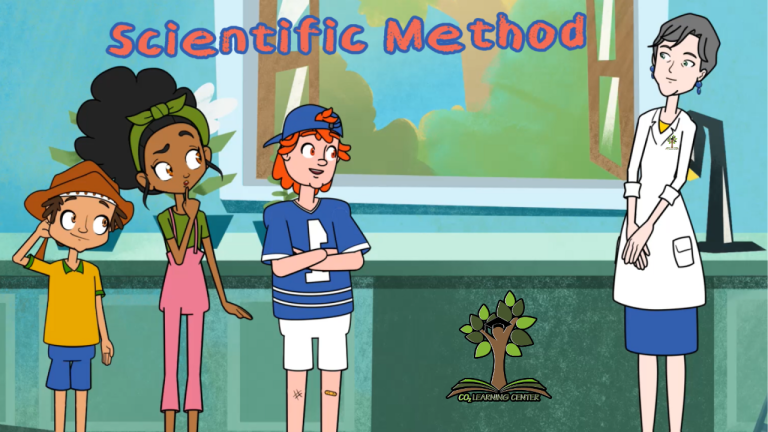
Scientific Method Lesson Plan
This lesson plan accompanies the CO2 Learning Center video, “Scientific Method,” which explains how the scientific method works using an everyday problem the children in the video face.
The video breaks down the process into a series of steps to teach children how to practice critical thinking.
Step 1:
Ask a Question: Identifying a practical problem to solve. In the video, the children ask for the best route to ride their bikes to school.Step 2:
Research & Observations: Looking into reasonable, possible answers.Step 3:
Form a Hypothesis: Making an educated guess on what the best outcome will be.Step 4:
Conduct an Experiment: Collecting complete and accurate information (data). The video explains why physically testing the routes with a stopwatch provides better variables (like traffic and hills) than just looking at a quick and easy map.Step 5:
Draw Conclusions: Analyzing the results with an open mind. They discuss evaluating not just speed, but safety factors like traffic risks.Step 6:
Share Results: Passing on the learned knowledge so others can benefit.Ultimately, the video emphasizes that the scientific method isn’t just for complex science topics—it’s a time-proven tool for critical thinking that can be applied to solve many everyday challenges.
-
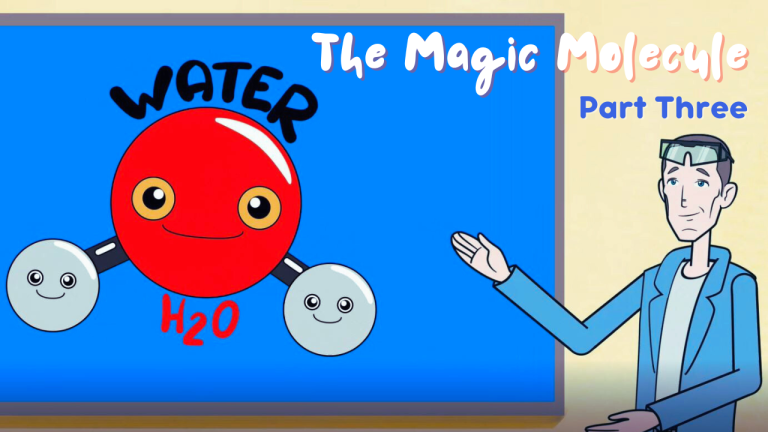
The Magic Molecule: Part Three (Video) Lesson Plan
Ariana recently learned in school that there is a magical molecule! In Part Three, the classmates discuss how H2O (water) plays an important role in our lives.
-
Ocean Acidification Experiment: Why Buffering Matters
After researching the issue of ocean acidification, students will be able to do the following:
- Use the scientific method to determine if ocean acidification is a problem.
- Find existing research that addresses the issue of ocean acidification.
- Develop a testable hypothesis.
- Design an experiment to test the hypothesis.
- Collect data from the experiment.
- Draw conclusions from their data.
- Write a report or give a presentation on the results of the experiment, including suggestions for further study and an error analysis of their experimental methods.
-
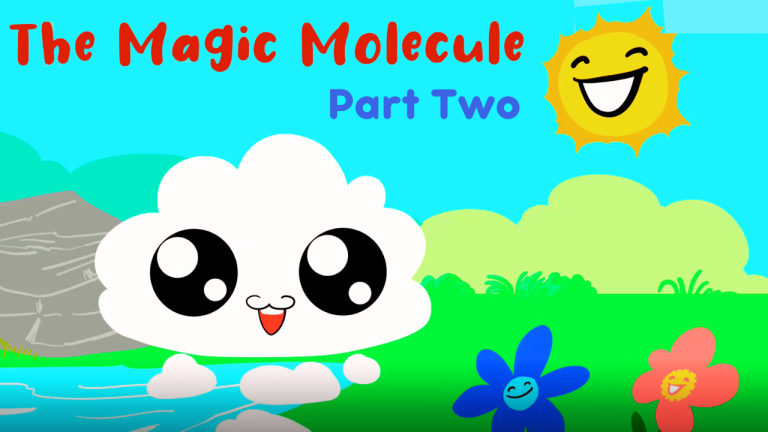
The Magic Molecule: Part Two (Video) Lesson Plan
Ariana recently learned in school that there is a magical molecule! In Part Two, the classmates discuss how H2O (water) plays an important role in moving heat around the Earth and how it helps make our weather and climate livable.
-
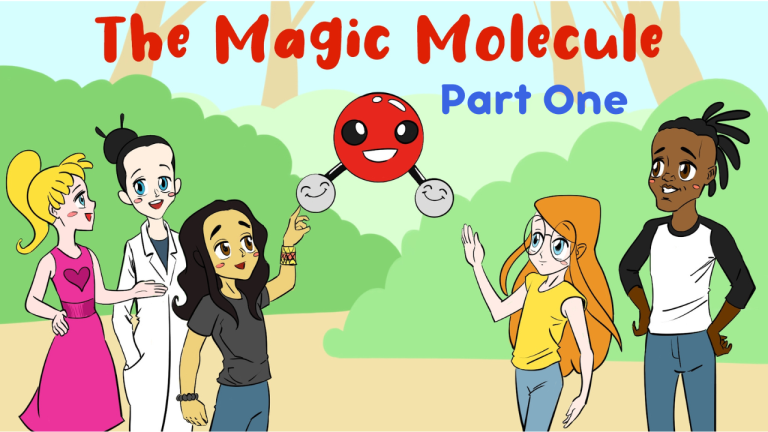
The Magic Molecule: Part One (Video) Lesson Plan
Ariana’s teacher told her there is a molecule made from atoms that is magical! It is H2O (water) — the magic molecule! Sophia and Emmit explain the powers of this amazing hydrogen bond.
-
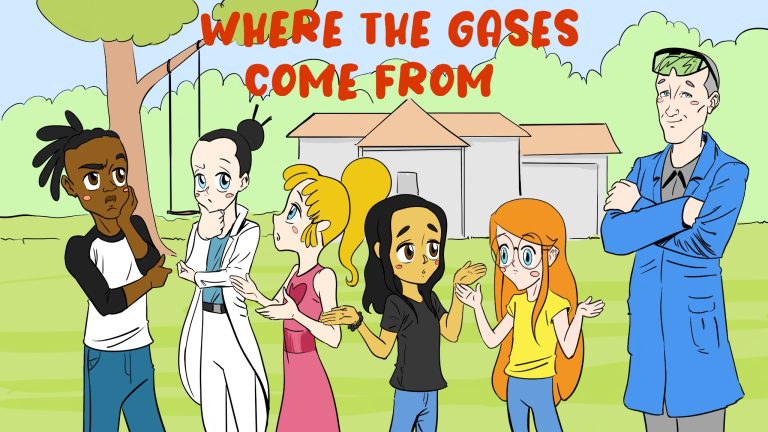
Where the Gases Come From (Video) Lesson Plan
Elyssa and her friends discuss four important gases in the atmosphere that are vital to life — oxygen, carbon dioxide, nitrogen, and water vapor. But where do they come from? Join us and you’ll find out!